Fast Fashion vs Slow Fashion: Which One Should You Choose?
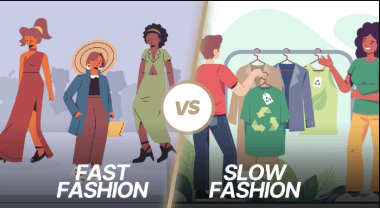
The way people buy clothes has changed a lot in recent years. Price and trends still matter, but now buyers also look at quality and long-term use. That’s why fast fashion vs slow fashion has become an important topic in the apparel industry. Many retailers and buyers follow insights from platforms like Apparel o clock to understand how these two approaches affect the market.
Both models serve different needs, but choosing the right one depends on your goals as a buyer, seller, or consumer.
Understanding Fast Fashion and How It Works
Fast fashion focuses on speed. Brands produce large volumes of clothing quickly to match current trends.
This model allows customers to buy trendy outfits at lower prices. However, the trade-off is often lower durability and shorter product life.
For businesses, fast fashion can bring quick sales, but it also comes with higher return rates and inventory challenges.
What Is Slow Fashion and Why It Matters
Slow fashion takes a different approach. It focuses on quality, durability, and thoughtful production.
Instead of releasing new designs every week, slow fashion brands produce limited collections. This helps reduce waste and improve product value.
As awareness grows, more consumers are shifting toward this model, especially those who prefer long-lasting clothing.
Key Differences Between Fast Fashion and Slow Fashion
When comparing fast fashion vs slow fashion, the biggest differences come down to production, pricing, and usage.
Fast fashion is about quick turnaround and lower costs. Slow fashion focuses on fewer pieces with better quality.
This difference also impacts how businesses manage inventory. Fast fashion requires constant updates, while slow fashion allows more stability.
See also: Navigating Financial Challenges: Survival Strategies for Businesses
Impact on Wholesale Clothing Buyers
Wholesale buyers often have to decide which model suits their business.
Fast fashion works well for trend-based stores that rely on frequent new arrivals. On the other hand, slow fashion fits brands that want to build long-term customer trust.
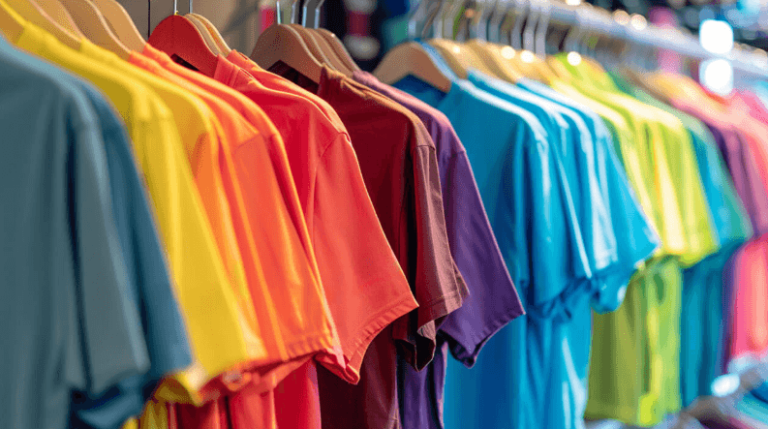
Some wholesalers balance both approaches. For example, they may include performance-based collections like wholesale Sport-Tek apparel, which offer durability while still meeting modern style needs.
Cost vs Value in Modern Apparel
Price is one of the biggest factors in this discussion.
Fast fashion offers lower upfront costs, making it attractive for budget-conscious buyers. However, the need for frequent replacements can increase long-term spending.
Slow fashion products cost more initially but often last longer. This makes them a better value over time.
Retailers analyzing fast fashion vs slow fashion often consider both short-term profits and long-term customer satisfaction.
Environmental and Ethical Considerations
Environmental impact is another major difference.
Fast fashion is linked with higher waste and resource use. Short product cycles lead to more discarded clothing.
Slow fashion reduces this impact by focusing on durability and responsible production.
Platforms like Apparel o clock regularly highlight how sustainability is becoming a key factor in apparel decisions across global markets.
Changing Consumer Preferences
Consumers today are more informed than before. They research products, read reviews, and compare options before buying.
This shift is pushing brands to improve quality and transparency.
As a result, even fast fashion brands are trying to improve their materials and production methods to stay competitive.
Finding the Right Balance for Your Business
For many businesses, the best approach is not choosing one over the other but finding a balance.
Combining trend-based items with high-quality basics can help meet different customer needs.
For example, pairing fast-moving styles with durable collections like wholesale Sport-Tek apparel can create a more stable inventory strategy.
Conclusion: Making the Right Choice
Choosing between fast fashion and slow fashion depends on your priorities.
If your focus is on quick sales and trend cycles, fast fashion may work better. If you want long-term value and customer loyalty, slow fashion is the stronger option.
In reality, the market is moving toward a mix of both. Businesses that understand this balance are more likely to succeed.
With insights from platforms like Apparel o clock, retailers and buyers can make informed decisions that match current demand and future trends.